Provincial gaming
Video Lottery Terminals in Canada: Province-by-Province Guide
Casino newsUpdated
Video lottery terminals operate in Alberta, Saskatchewan, Manitoba, Quebec and the Atlantic provinces, mostly in liquor-licensed bars, lounges, hotels and legions. Ontario and British Columbia have none: both keep electronic gaming machines inside casinos, gaming centres and racetracks. Each network is run by a provincial lottery body, and the minimum age is 18 or 19 depending on the province.
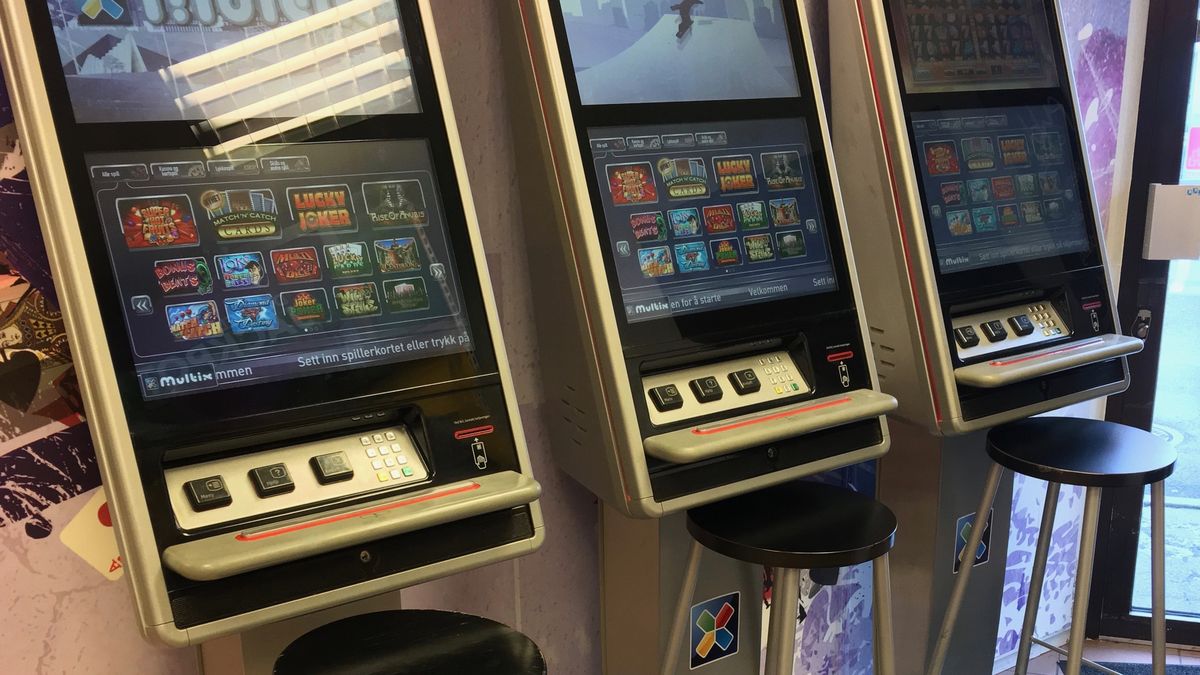
What a VLT actually is
A video lottery terminal looks and plays like a slot machine, and in practice it is one. A British Columbia government guide for pub owners, written by the Gaming Policy and Enforcement Branch (GPEB), puts it plainly: "There is no difference between a slot machine and a VLT." The names differ only by location. A machine on a casino floor, in a community gaming centre or at a racetrack is called a slot. The same kind of machine placed outside those dedicated gambling sites, usually in a pub or bar, is called a VLT. Manitoba Liquor & Lotteries calls its own terminals "very similar to a slot machine".
The legal reason every VLT network belongs to a province sits in the Criminal Code. Section 207(1)(a) lets a provincial government conduct and manage lottery schemes. Section 207(4)(c) keeps games played on or through a computer, video device or slot machine out of the schemes that charities, fairs and other licensees may run. The result: a bar owner cannot buy terminals and run them privately. The machines, the central system and the money all belong to a provincial lottery corporation, and the bar is a host site paid a commission.
If you want the maths behind the reels, our guide to how slot odds and payback work applies to VLTs too, since the hardware and game design are the same family.
Province-by-province comparison
The table pulls together what official provincial sources say about each network. Where a source gives a count, it is the count published at that time, not a live figure.
| Province | VLTs outside casinos? | Network run by | Where the terminals sit | Minimum age |
|---|---|---|---|---|
| British Columbia | No | Not applicable | Machines only in casinos, community gaming centres and racetracks | 19 |
| Alberta | Yes | Alberta Gaming, Liquor and Cannabis Commission (AGLC) | Sites outside licensed gaming facilities; some municipalities voted them out | 18 |
| Saskatchewan | Yes | SLGA, with Western Canada Lottery Corporation maintaining and operating the network | About 4,200 VLTs at 569 sites in 288 communities, per a provincial release | 19 |
| Manitoba | Yes | Manitoba Liquor & Lotteries | Hotels, lounges and legions across the province | 18 |
| Ontario | No | Not applicable | Slots only at casinos and gaming sites | 19 |
| Quebec | Yes | Loto-Québec | Bars, pubs, taverns and restaurants holding an RACJ operator's licence | 18 |
| Nova Scotia | Yes | Atlantic Lottery | Liquor-licensed establishments and Mi'kmaw communities; cap of 2,234 in licensed premises | 19 |
| Prince Edward Island | Yes | Provincial | Licensed gaming premises, all treated as destination sites | 19 |
| Newfoundland and Labrador | Yes | Atlantic Lottery, on behalf of the province | Not detailed in the provincial FAQ | 19 |
New Brunswick is left out of the table because its official pages were not available to check, and we would rather leave a row empty than fill it with guesses.
Why Ontario and British Columbia have none
A municipal guide published by British Columbia's Ministry of Attorney General and Ministry of Health is direct about it: B.C. "is one of two provinces, along with Ontario, that does not have Video Lottery Terminals." Both provinces chose to keep electronic gaming machines inside dedicated gambling facilities.
In British Columbia the rule is spelled out for bar owners. Slot machines are allowed only at casinos, community gaming centres and race tracks, and the province does not permit slots or VLTs anywhere else, including pubs and bars. The B.C. Lottery Corporation decides where slot machines go, but it needs prior approval from the local government first. That gives a city council a real say over whether a new gaming site opens at all.
Pubs in B.C. are not shut out of gambling entirely. The same GPEB guide lists what a licensed pub may offer: BCLC lottery products such as Keno and Racetrax, licensed off-track horse betting, charity ticket raffles, bingo and small-scale Texas Hold'em, all under conditions set by the Liquor and Cannabis Regulation Branch. If you have seen a keno screen in a Vancouver bar, that is the reason it is there and a slot-style terminal is not.
Ontario follows the same pattern: machines are found at casinos and gaming sites, which is why a list of land casinos across Canada is the place to look for them in that province.
The prairie networks: Alberta, Saskatchewan, Manitoba
Alberta. The Gaming, Liquor and Cannabis Act puts the Commission in charge of conducting and managing provincial lotteries. In the Act's definitions, a VLT is a video gaming terminal that is not located in a licensed facility, which is how it separates bar terminals from casino slots. One section stands out: where the Commission removed VLTs from a municipality before a cut-off date written into the Act, as the result of a vote held there, it may not place terminals back in that municipality unless a ministerial policy authorizes it. Local plebiscites, in other words, left a lasting mark on the map. A minor in the Act is anyone under 18, and no one may let a minor take part in a gaming or lottery activity in a licensed facility.
Saskatchewan. The Saskatchewan Liquor and Gaming Authority owns the VLT program, and the Western Canada Lottery Corporation is contracted to maintain and operate the network. A provincial news release counted approximately 4,200 VLTs operating in 569 sites in 288 communities. The same release explains the economics for hosts: site operators are paid a commission on VLT revenue, normally 15%, which the province temporarily raised to 25% for a set period.
Manitoba. Manitoba Liquor & Lotteries places its terminals in hotels, lounges and legions across the province, and the provincial government describes the VLT network as one that supports the hospitality industry.
Quebec: bar terminals under two authorities
Quebec splits the job. Loto-Québec owns and operates the terminals, while the operator's licence for a bar, pub, tavern or restaurant comes from the Régie des alcools, des courses et des jeux (RACJ), a body independent of Loto-Québec that answers to the Ministère de la Sécurité publique. Even with a licence, the corporation decides whether to install terminals at a given site after security checks and an assessment of the business.
The RACJ's checklist for licensees gives a clear picture of what a Quebec VLT corner must look like:
- Terminals must be visible to staff from the service counter but not visible from outside the premises.
- If minors can enter the establishment, the terminals go in a permanent, opaque, closed room and cannot be seen from areas open to minors.
- A notice must be posted that no one under 18 may play.
- The permit holder, their spouse and children, staff, the VLT administrator and performers may not play.
- No one may play more than one terminal at a time, intoxicated customers must be stopped, and credit must be refused.
- Game rules and pay tables must be available to players.
- The room must hold at least 15 places, not counting the seats in front of the terminals.
The Atlantic provinces
In Nova Scotia, Atlantic Lottery operates both ticket lottery and video lottery, and regulation sits with the Alcohol, Gaming, Fuel and Tobacco Division of Service Nova Scotia. An official overview of gaming in the province traces how the network narrowed. Terminals first appeared in convenience stores and laundromats, were then restricted to liquor-licensed establishments, and were later offered in Mi'kmaw communities. A cap of 3,234 terminals in licensed establishments was set, then 1,000 machines, roughly 30%, were removed, leaving 2,234. Operating hours were cut so terminals shut off at midnight, and a moratorium on increases came with a natural attrition plan. A mandatory player-card system was introduced and later withdrawn.
Prince Edward Island's Responsible Gambling Strategy treats every VLT licensed premises as a destination site. Its plan is to keep the number of premises and terminals at or below current levels, remove VLTs from licensed gaming premises that lack adequate harm-minimization measures or that promote alcohol together with gambling, and study where terminals are placed.
In Newfoundland and Labrador, the province's consumer affairs office confirms that the video lottery terminals are administered by Atlantic Lottery on behalf of the provincial government, and directs VLT questions to Atlantic Lottery.
What to expect as a player
Across all of these provinces the basics hold. You need to be of age: 18 in Alberta, Manitoba and Quebec, 19 in the other provinces with networks. The site staff are not the operator; payouts, game settings and complaints run through the provincial corporation, which also sets the pay tables. And because a VLT is a slot in a different room, expect the same long-run house edge rather than better odds for being in a bar. If play stops being fun, the provincial support lines and tools on our responsible gambling page are the place to start.
Frequently asked questions
Is a VLT the same as a slot machine?
Yes in all practical terms. A British Columbia government guide for bar owners says there is no difference between a slot machine and a VLT. The label depends on location: machines in casinos, gaming centres and racetracks are called slots, while the same kind of machine in a bar, lounge or hotel is called a video lottery terminal.
Can I play VLTs in Ontario or British Columbia?
No. Both provinces keep electronic gaming machines inside dedicated gambling facilities. In British Columbia, slots are allowed only at casinos, community gaming centres and racetracks, and VLTs are not permitted in pubs or bars. In Ontario, you will find slot machines at casinos and gaming sites rather than in bars.
How old do you have to be to play a VLT?
The minimum age is 18 in Alberta, Manitoba and Quebec, and 19 in Saskatchewan and the Atlantic provinces. In Quebec, licensees must post a notice that no one under 18 may play, and terminals must sit in a closed room if minors can enter the establishment. Staff can ask for identification at any time.
Who gets the money a VLT takes in?
The provincial lottery body that owns the network. Host bars and lounges receive a commission. In Saskatchewan, for example, a provincial release put the normal site commission at 15% of VLT revenue, temporarily raised to 25% for a fixed period. The rest goes to the province after operating costs.
Sources
- Government of British Columbia — Information for B.C. Bar and Pub Owners: Slot Machines and VLTs in British Columbia
- Government of British Columbia — Hosting a Gambling Facility: Information for Local Governments
- Justice Laws Website — Criminal Code, Part VII, s. 207
- Alberta King's Printer — Gaming, Liquor and Cannabis Act
- Government of Saskatchewan — VLT commissions increasing (news release)
- Manitoba Liquor & Lotteries — Our Products
- Government of Manitoba — Manitoba Liquor & Lotteries
- Loto-Québec — Are any limits imposed on bar owners who want to install video lottery terminals?
- Régie des alcools, des courses et des jeux — Aide-mémoire, appareils de loterie vidéo
- Gaming Nova Scotia — Overview of Gaming in Nova Scotia
- Government of Prince Edward Island — Responsible Gambling Strategy
- Government of Newfoundland and Labrador — Consumer Affairs FAQ, trade practices