Charity gaming
Nevada, Break-Open and Pull-Tab Tickets in Canada: How They Work
Casino newsUpdated
A break-open ticket, called a Nevada or pull-tab in many provinces, is a cardboard instant-win ticket with perforated tabs hiding symbols. In Canada they are sold under charity lottery licences or by provincial lottery bodies. Every deal is printed with a fixed, approved number of winning tickets, and the approved schedules in Ontario show roughly two-thirds of sales coming back as prizes.
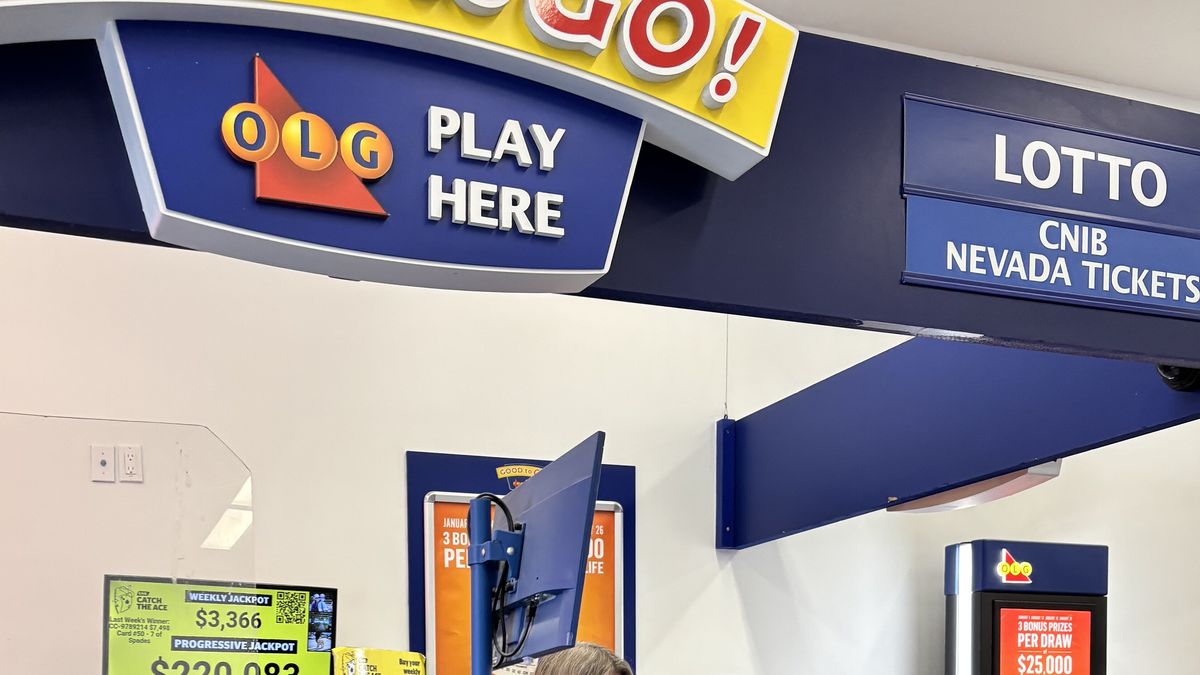
What a break-open ticket is
Ontario's Alcohol and Gaming Commission (AGCO) gives the cleanest definition in its lottery licensing policy manual: break-open tickets are instant-win lottery tickets "commonly known as 'pull tab' or 'nevada' tickets". Each one is made of cardboard, with perforated cover tabs over a set of windows. You pull the tabs back, look at the symbols underneath, and if they form a winning combination you have won the prize tied to that combination. On the Ontario Charitable Gaming Association's site, tickets are said to usually have five windows, and that you will find them in convenience stores, legions and bingo halls across the province.
The graphics change from game to game. The AGCO manual gives "bells, boats or fruit" as examples of the themes printed on tickets, and a single game can also carry a seal card, a separate sealed card used to award a secondary prize once the whole deal is sold. The tickets themselves are close cousins of the scratch cards sold by provincial lotteries, but with tabs instead of a latex coating, and with a much smaller, fixed pool of tickets behind each game.
Who is allowed to sell them
Under the Criminal Code, a lottery scheme can be run by a province, or by a charitable or religious organization that holds a provincial licence and uses the proceeds for charitable or religious purposes. Break-open tickets fit into both channels, and which one you meet depends on where you live.
- Ontario: eligible charities and religious organizations sell them under a break-open licence. The AGCO's licensing page is blunt that to conduct a lottery or raffle, or to sell break open tickets, you need a licence. Depending on the type, the licence comes from the AGCO or from the local municipality.
- Manitoba: the provincial government lists Manitoba Liquor & Lotteries as the exclusive supplier of breakopen tickets and bingo paper in the province.
- Newfoundland and Labrador: Breakopen is one of the licence categories for eligible charitable, religious and incorporated non-profit groups. Complaints about breakopen tickets sold in convenience stores go to Atlantic Lottery instead of the charity licensing office.
Municipal rules show what a charity has to do to sell them. The City of Sarnia, for example, only licenses approved charitable organizations that have existed for at least 12 months and do not rely on lottery events as their only source of revenue. Its licence fee is 3% of the prize value per box, paid from the charity's lottery trust account, and a report with receipts is due within 30 days of the end of sales.
Deals, boxes and prize structures
The vocabulary matters if you want to understand your odds. In the AGCO manual:
- A deal is each separate series of tickets carrying the same serial number.
- A box is a separately sealed box within a deal.
- A type is set by three things: the number of tickets in the deal, the price per ticket and the total prize value.
- A style is the combination of graphics and prize structure.
- The prize structure is the number and combination of winning tickets and the amount of each prize, approved by the Registrar.
This is the key difference from a slot machine or a video terminal. A deal is a closed pool. The number of winning tickets is fixed when the deal is printed, so the odds are known in advance for the deal as a whole. The AGCO manual gives a worked example of a prize structure with 223 winning tickets worth $1,015 in total: one $300 prize, four $100 prizes, one $50 prize, two $25 prizes and 215 prizes of $1. Most of the winners, in other words, simply hand back the price of another ticket.
How much a deal pays back
The AGCO keeps a public schedule of approved break-open ticket types. For each one it lists the ticket price, how many tickets are in the deal, the total prizes per deal, and the "win": what is left of gross sales after prizes. A selection of those approved types:
| Type | Price | Tickets per deal | Prizes per deal | Left after prizes | Paid back as prizes |
|---|---|---|---|---|---|
| BN2 | $0.25 | 2,940 | $488 | $247 | about 66% |
| BN1 | $0.50 | 3,360 | $1,115 | $565 | about 66% |
| BN22 | $0.50 | 4,200 | $1,430 | $670 | about 68% |
| BN8 | $1.00 | 300 | $200 | $100 | about 67% |
| BN4 | $1.00 | 2,520 | $1,675 | $845 | about 66% |
| BN14 | $1.00 | 7,420 | $4,930 | $2,490 | about 66% |
| BN24 | $1.00 | 8,400 | $5,720 | $2,680 | about 68% |
| BN10 | $2.00 | 300 | $400 | $200 | about 67% |
The last column is our own arithmetic: prizes per deal divided by the deal's gross sales. Across these types roughly two dollars in three come back as prizes and about one in three stays with the charity, before its expenses. That is a lower return than most casino games, so it helps to think of a Nevada as a donation with a chance of a small prize. For comparison, our explainer on slot odds and payback percentages covers how machine returns are expressed.
One detail is easy to miss: the figures cover the whole deal. If a box has already been picked over, the winners left in it may be more or fewer than average. Ontario's licence terms forbid sellers from posting or promoting the number of unsold winning tickets, so the counter will not tell you.
How to read a Nevada ticket, step by step
- Check that it is a licensed charity ticket. In Ontario, every ticket sold under one licence is imprinted with the same licence number, and sponsor logos are allowed only if the ticket stays clearly identifiable as charitable gaming.
- Note the price and the game. The price and the graphics tell you which approved type and style you are holding.
- Open every tab. Pull back each perforated tab and look at the full row of symbols or numbers in each window.
- Compare against the winning combinations for that game. A ticket wins when the symbols form one of the combinations in its prize structure. A prize can be cash, merchandise, a coupon or discount, or entry into a later event.
- Claim at the place you bought it. Under the Ontario terms, instant prizes are awarded where the ticket was purchased. The seller defaces a winning ticket by punching a hole through the winning window.
- Keep seal-card tickets. If the game has a seal card, the seal is announced and removed only once the entire deal is sold, in front of two representatives, and it decides the secondary prize, so hold on to tickets from that deal until the seal is revealed.
Payouts and records behind the counter
The rules on the charity's side protect players too. The AGCO manual sets payment timing: merchandise prizes are awarded within one week, and cash prizes are paid within 48 hours, with a claim ticket used above a threshold set by the licensee. Tickets are tracked by serial number, redeemed winners worth more than $1.00 are destroyed after the retention period, and reconciled tickets are kept for 90 days. Sellers other than bingo halls or the licensee's own premises have to be registered with the AGCO, and designated members handling the tickets must be 18 or older.
Charities are also barred from paying incentives to third-party sellers such as stores. If you have a problem with a ticket bought in a store, the seller and the licensing body named on the ticket, or in Atlantic Canada the provincial lottery corporation, are the people to contact.
Frequently asked questions
Are Nevada tickets and break-open tickets the same thing?
Yes. Ontario's licensing manual defines break-open tickets as instant-win lottery tickets commonly known as pull tab or Nevada tickets. They are cardboard tickets with perforated tabs covering windows of symbols. Manitoba and Newfoundland and Labrador use the spelling breakopen. The name changes by region, but the format and the fixed prize structure per deal stay the same.
What are the odds of winning on a break-open ticket?
They depend on the deal. Each deal has a fixed number of tickets and an approved number of winners. In one example from the Ontario policy manual, a deal carries 223 winning tickets, 215 of them worth $1. On the approved Ontario types, total prizes come to about 66% to 68% of a full deal's sales.
Can anyone sell break-open tickets to raise money?
No. You need a licence, and only eligible charitable or religious organizations qualify. In Ontario the licence comes from the AGCO or the local municipality, and municipalities such as Sarnia add conditions like 12 months of existence and a fee of 3% of prize value per box. In Manitoba, Manitoba Liquor & Lotteries is the exclusive supplier of breakopen tickets.
Where do I cash a winning Nevada ticket?
At the place you bought it. Ontario's licence terms say instant prizes are awarded at the point of purchase, and the seller punches a hole through the winning window so the ticket cannot be used again. Cash prizes must be paid within 48 hours, and larger amounts may involve a claim ticket.
Sources
- AGCO — Lottery Licensing Policy Manual, break open tickets
- AGCO — Lottery Licensing Policy Manual, break open ticket definitions
- AGCO — Break Open Ticket Licence Terms and Conditions
- AGCO — Ticket requirements
- AGCO — Schedule of Approved Break Open Ticket Types and Associated Expense Maximums
- AGCO — Charitable gaming lottery licences
- City of Sarnia — Break-Open (Nevada) Tickets
- Ontario Charitable Gaming Association — Break Open Tickets
- Government of Manitoba — Manitoba Liquor & Lotteries
- Government of Newfoundland and Labrador — Lotteries
- Justice Laws Website — Criminal Code, Part VII, s. 207